
Understanding CSAT and Its Role in Customer Experience
Every time a customer interacts with a business, it shapes how they feel about that brand. Whether it’s a quick question or a serious complaint, the response they receive can either build trust or push them away. That’s where CSAT (Customer Satisfaction Score) comes in — a widely used metric to understand how customers truly feel about their experience.
What is CSAT?
Customer Satisfaction Score (CSAT) is a key performance indicator used to measure how happy a customer is after a specific interaction, product use, or service experience.
Unlike broader metrics such as Net Promoter Score (NPS) or Customer Effort Score (CES), CSAT focuses on a single moment. This makes it highly useful for support teams and businesses that want immediate and actionable feedback.
How CSAT Surveys Work
A typical CSAT survey asks a simple question like:
“How satisfied are you with your recent experience?”
Customers usually respond on a scale (for example, 1 to 5), where:
- 1 = Very dissatisfied
- 5 = Very satisfied
Because the question is quick and easy, more customers tend to respond, giving businesses faster insights.
Why CSAT is Important
Customer satisfaction directly affects business success. When customers are happy, they are more likely to return, recommend, and stay loyal.
Here are some key insights:
- Customers often switch brands after a poor experience
- Retaining customers is far more cost-effective than acquiring new ones
- Emotions play a major role in purchase decisions
In simple terms, better experiences lead to stronger growth.
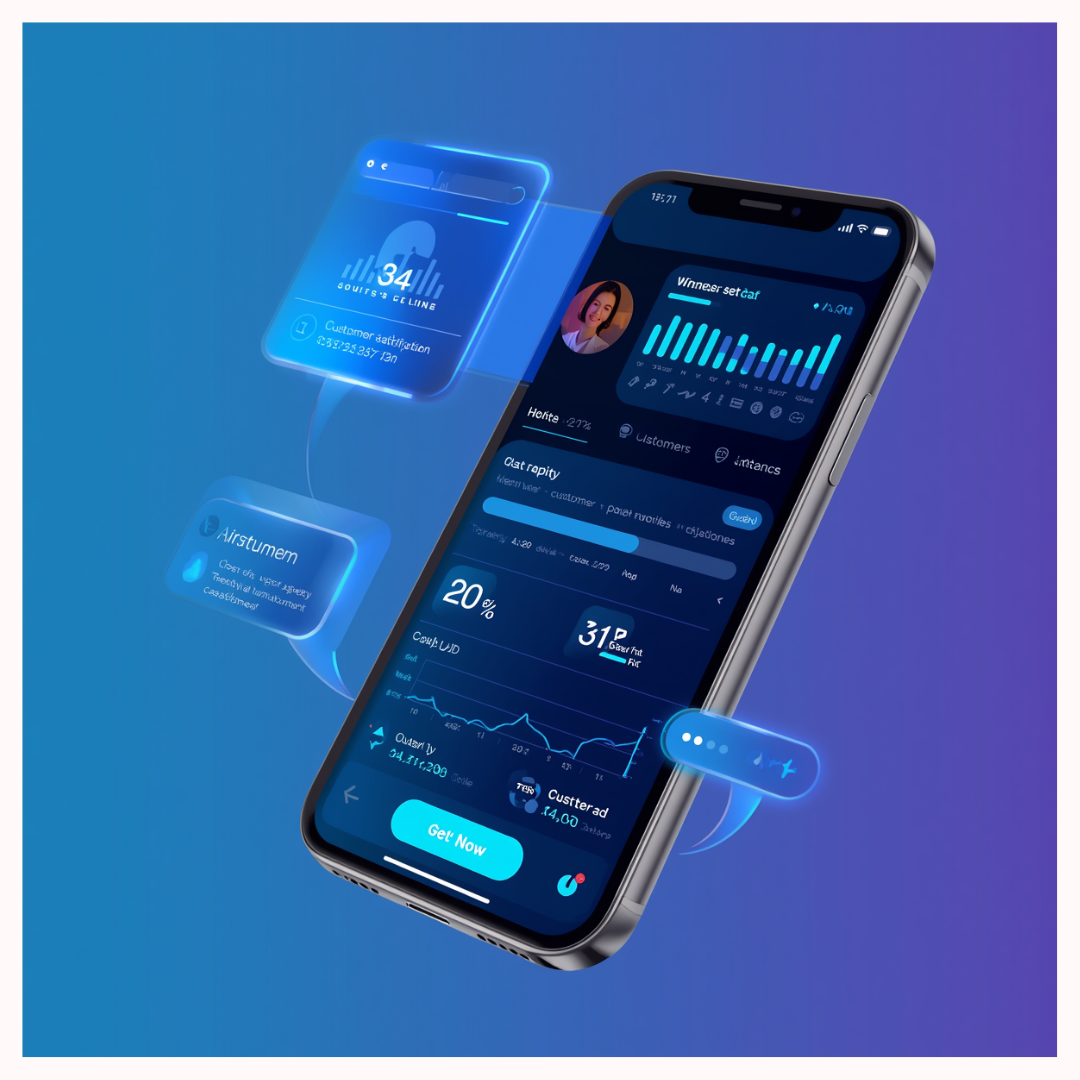
What Drives Customer Satisfaction Today?
Modern customers expect more than just problem resolution. Three main factors influence satisfaction:
- Speed – Quick responses matter
- Context – Customers don’t want to repeat themselves
- Convenience – Easy and smooth interactions
Messaging platforms and real-time support systems are designed to deliver exactly these.
Key Trends Shaping Customer Experience
Customer engagement is evolving, and businesses need to adapt. Here are some major shifts:
- Faster responses are now expected, not optional
- Support conversations can also drive sales
- Trust and secure communication build stronger relationships
- Personalization at scale is becoming essential
- AI and automation are transforming service delivery
- Customer journeys now extend beyond just issue resolution
Speed as a Competitive Advantage
In today’s fast-paced world, delays can hurt customer satisfaction. Businesses that respond instantly create better experiences and stand out from competitors.
Why Messaging Works So Well
Customers increasingly prefer messaging channels because they are:
- Faster
- More convenient
- Easier to manage
Even routine tasks like payments or bookings become smoother and more enjoyable through messaging.
Practical Tips to Improve CSAT
From experience, strong customer satisfaction comes from doing a few things well:
- Respond quickly to customer queries
- Maintain conversation history for context
- Ensure smooth transitions across interactions
- Use AI to enhance quality, not just automate
- Analyze feedback to find improvement areas
- Act quickly on negative feedback
- Communicate through channels customers prefer
How to Calculate CSAT
The formula is simple:
CSAT (%) = (Number of satisfied customers ÷ Total responses) × 100
Example:
If 80 out of 100 customers rate their experience positively, your CSAT score is 80%.
Only high ratings (like 4 and 5 on a 5-point scale) are considered positive.
What is a Good CSAT Score?
- 4.5 – 5.0 → Excellent
- 4.0 – 4.4 → Good
- 3.0 – 3.9 → Needs improvement
- Below 3.0 → Poor
Higher scores indicate better customer satisfaction and loyalty.
Best Practices for CSAT Surveys
To get meaningful feedback:
- Keep surveys short and simple
- Send them soon after the interaction
- Use neutral wording
- Match the survey channel with the interaction
- Allow optional detailed feedback
- Follow up on low ratings
- Analyze results by team, issue, or channel
How AI is Transforming CSAT

AI is changing how businesses measure and improve customer satisfaction. Instead of relying only on surveys, companies can now analyze conversations directly.
Some key advancements include:
- Detecting customer sentiment automatically
- Predicting dissatisfaction before it happens
- Scoring conversations intelligently
- Identifying common issues
- Continuously improving based on data
What is Auto CSAT?
Auto CSAT is an AI-driven approach that evaluates customer satisfaction automatically after each interaction.
Instead of waiting for customers to fill out surveys, AI analyzes conversations and assigns a satisfaction score in real time.
Benefits of Auto CSAT
- Instant feedback without manual effort
- Covers every interaction, not just survey responses
- Provides deeper insights with context
- Helps teams improve continuously
How Auto CSAT Works
- Automatically activates and starts tracking interactions
- Displays real-time insights on dashboards
- Helps teams take action based on data
Final Thoughts
Customer satisfaction today is about more than just solving problems. It’s about delivering fast, seamless, and personalized experiences on the customer’s preferred channel.
By combining messaging, AI, and Auto CSAT, businesses can move from reactive support to proactive improvement — turning every interaction into an opportunity for growth.